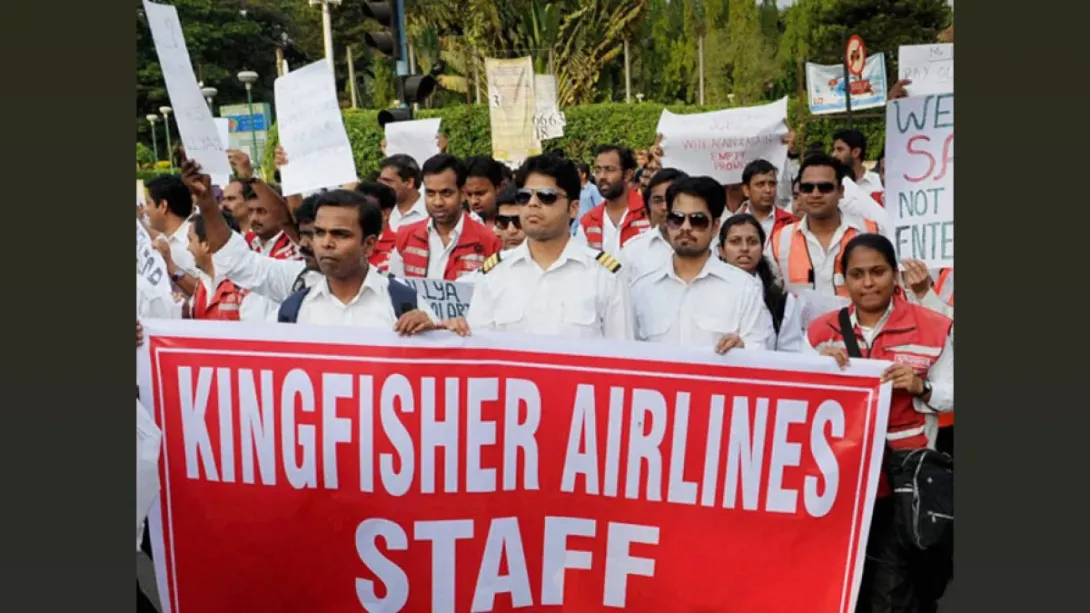
India’s aviation sector faces mounting pressure as several carriers grapple with financial stress and internal operational challenges, raising concerns about industry stability. Analysts point to rising fuel costs, debt obligations, labor disputes, and regulatory compliance hurdles as primary contributors to the sector’s turbulence. Some airlines have suspended routes or postponed expansion plans, while others are exploring strategic partnerships or debt restructuring to maintain solvency. The evolving scenario underscores the fragility of aviation economics, where high fixed costs and market volatility intersect. Investors, regulators, and stakeholders are closely monitoring these developments, assessing potential risks to employment, connectivity, and long-term growth in India’s civil aviation landscape.
Financial Stress Across Airlines
Multiple carriers are experiencing liquidity constraints due to rising operational costs and increased debt servicing obligations. Analysts attribute these pressures to volatile jet fuel prices, currency fluctuations, and inflationary trends in the broader economy.
Airlines with limited cash reserves face challenges in meeting payroll, leasing payments, and infrastructure investments, forcing management teams to adopt cost-cutting measures, defer expansion, or seek additional capital infusion from private and institutional investors.
Operational and Internal Challenges
Beyond financial strain, internal issues—such as labor unrest, management inefficiencies, and fleet utilization constraints—have compounded operational difficulties. Disputes over pay scales, union negotiations, and retention of skilled personnel have affected on-time performance and customer satisfaction.
Analysts emphasize that effective governance, streamlined operational protocols, and proactive employee engagement are crucial to maintaining continuity and operational reliability amid sector-wide pressures.
Strategic Responses and Market Adjustments
Airlines are responding through route rationalization, fleet optimization, and alliances with domestic and international partners. Some carriers are pursuing joint ventures, code-sharing agreements, or debt restructuring to preserve liquidity and reduce financial exposure.
Financial strategists highlight that these adaptive measures are essential to sustain market presence while navigating the cyclical nature of the aviation industry, which remains highly sensitive to external shocks and consumer demand fluctuations.
Investor and Regulatory Perspective
Investors are assessing airline balance sheets and risk exposure, adjusting portfolios to reflect heightened volatility in the aviation segment. Meanwhile, regulators are monitoring compliance with safety, financial, and operational standards to ensure passenger protection and sector integrity.
Analysts note that coordinated efforts between stakeholders, including central authorities and private entities, can stabilize market dynamics, encourage sustainable growth, and mitigate systemic risks in the aviation ecosystem.
Outlook for the Aviation Sector
While short-term turbulence persists, analysts remain cautiously optimistic that restructuring, capital infusion, and operational reforms could restore stability over the medium term. The industry’s long-term growth prospects are supported by rising domestic travel demand, infrastructure development, and government initiatives to enhance connectivity.
However, sustained resilience will depend on prudent financial management, strategic innovation, and robust governance, ensuring that Indian airlines can navigate volatility while supporting employment, tourism, and economic growth.
Comments