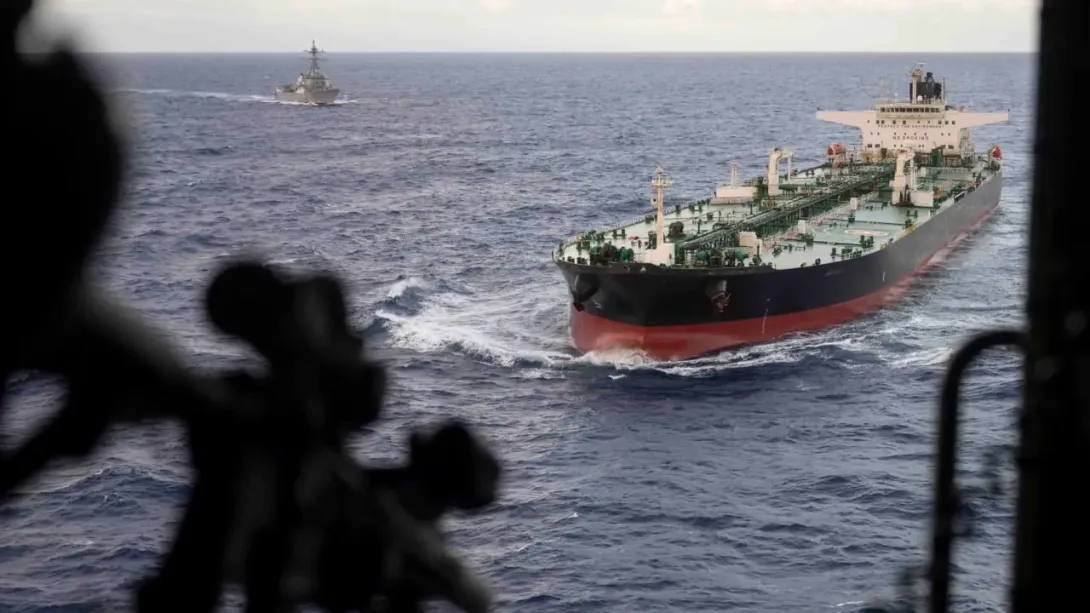
India’s energy logistics network is witnessing heightened activity as oil tanker movements increase to support the country’s growing fuel demand. As one of the world’s largest energy importers, India relies heavily on maritime transport to secure crude oil supplies from global markets. Industry analysts report that tanker traffic across major ports has intensified as refiners maintain stable inventories amid volatile energy markets. The development highlights the strategic importance of maritime shipping in sustaining India’s economic growth. Experts say efficient tanker operations and port infrastructure upgrades will remain critical as the country continues to expand its energy consumption.
Rising Energy Demand Drives Tanker Movements
The surge in oil tanker activity around India reflects the country’s rapidly expanding energy consumption. With a growing population and industrial sector, India continues to rely heavily on imported crude oil to meet domestic demand.
Major refineries across the country depend on steady tanker shipments from global producers in the Middle East, Africa, and other energy-exporting regions. These shipments form the backbone of India’s fuel supply chain, ensuring a consistent flow of crude oil to processing facilities.
Energy analysts say the rising frequency of tanker arrivals demonstrates the scale of India’s dependence on maritime trade for energy security.
Strategic Importance of Maritime Energy Transport
Oil tankers serve as a vital link in the global energy supply chain, particularly for large importing economies such as India. These vessels transport millions of barrels of crude oil across international waters to refineries and storage terminals.
India’s coastline hosts several major ports that handle crude shipments and refined petroleum products. Efficient port operations and robust shipping infrastructure are essential to maintaining uninterrupted energy supplies.
Government agencies and private companies continue investing in port modernization and maritime logistics to improve operational efficiency and reduce supply disruptions.
Market Volatility and Supply Chain Management
The global oil market has experienced periodic volatility due to geopolitical developments, supply constraints, and shifting demand patterns. For energy-importing nations such as India, effective supply chain management has become increasingly important.
Refiners often adjust procurement strategies to manage price fluctuations and ensure adequate reserves. Increased tanker activity can sometimes reflect efforts to secure additional shipments during periods of market uncertainty.
Industry observers note that diversified sourcing and flexible shipping logistics help mitigate risks associated with global supply disruptions.
Infrastructure Expansion Across Indian Ports
To accommodate rising tanker traffic, ports across India are undergoing modernization initiatives. These upgrades include expanded docking facilities, advanced cargo-handling systems, and enhanced storage infrastructure.
Such improvements are designed to streamline oil imports while supporting the broader development of India’s maritime economy. Investments in port infrastructure also contribute to job creation and regional economic growth.
As energy demand continues to increase, policymakers emphasize the importance of building resilient logistics networks capable of supporting long-term economic expansion.
Long-Term Outlook for Energy Logistics
Experts believe tanker activity in India will remain strong as the country continues its trajectory toward industrial and economic growth.
Despite gradual efforts to diversify energy sources through renewable initiatives, crude oil remains a central component of India’s energy mix. As a result, maritime oil transportation will continue to play a crucial role in sustaining the nation’s fuel supply.
Looking ahead, the efficiency and reliability of tanker logistics will remain a key factor in ensuring stable energy availability for one of the world’s fastest-growing economies.
Comments