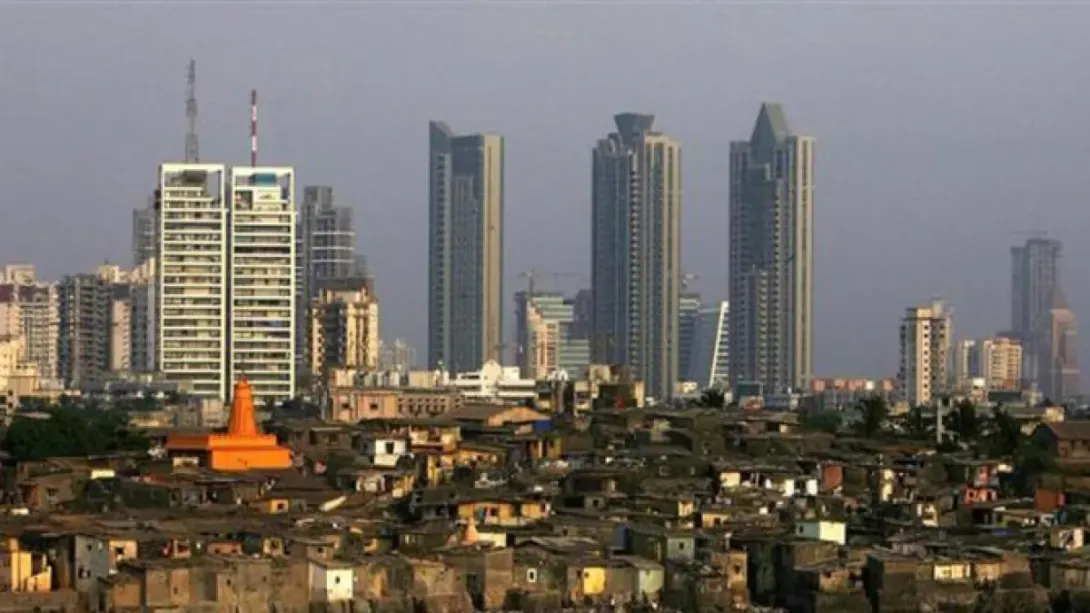
Two of India’s leading real estate developers, Godrej Properties and Macrotech Developers—commonly known as Lodha—have intensified their expansion strategies by acquiring multiple land parcels across major urban markets. The new acquisitions are expected to support large-scale residential and mixed-use developments with a projected revenue potential of nearly Rs 1 lakh crore. Industry analysts say the move reflects growing confidence among major developers as demand for housing strengthens in metropolitan and emerging urban centers. The aggressive land-buying strategy also highlights a broader trend of consolidation within India’s real estate sector.
Strategic Land Acquisitions Signal Market Confidence
India’s real estate industry is witnessing renewed momentum as leading developers secure large land banks to fuel future projects. Among the most active players are Godrej Properties and Macrotech Developers, both of which have recently acquired strategic land parcels in key urban markets.
These acquisitions are expected to enable the companies to launch new residential and mixed-use developments, with a combined revenue potential estimated at around Rs 1 lakh crore.
Real estate analysts say the move reflects increasing confidence in the housing sector as demand continues to recover following several years of structural reforms and market adjustments.
Expansion Plans Focused on High-Demand Urban Markets
The land purchases by Godrej Properties and Macrotech Developers are largely concentrated in major metropolitan regions where housing demand remains strong.
Cities such as Mumbai, Bengaluru, and the National Capital Region continue to attract both developers and homebuyers due to expanding employment opportunities, urban migration, and infrastructure development.
By acquiring land in these high-growth areas, the companies are positioning themselves to capture long-term demand in India’s evolving urban landscape.
Revenue Potential of Rs 1 Lakh Crore
The newly acquired land parcels are expected to support large-scale development projects capable of generating approximately Rs 1 lakh crore in total revenue over the coming years.
For developers like Godrej Properties and Macrotech Developers, such projects represent significant long-term investments that may span multiple phases of construction and sales.
Industry experts note that large revenue pipelines provide companies with greater financial visibility and help strengthen investor confidence in the real estate sector.
Changing Dynamics in India’s Real Estate Sector
The aggressive expansion strategy adopted by leading developers also reflects structural changes within India’s property market.
Over the past decade, regulatory reforms and financial discipline have encouraged consolidation in the industry. Larger, well-capitalized developers are increasingly dominating project development as smaller firms face funding and compliance challenges.
Companies like Godrej Properties and Macrotech Developers have therefore gained market share by leveraging strong balance sheets and brand reputation.
Investor Confidence and Market Outlook
The recent land acquisitions also underscore improving investor sentiment toward India’s housing sector. Rising household incomes, favorable mortgage rates, and infrastructure expansion have revived residential demand in many urban centers.
Market observers believe the ambitious expansion plans of Godrej Properties and Macrotech Developers could further stimulate activity across the construction and real estate ecosystem.
These projects are likely to generate employment, boost allied industries, and contribute to broader economic growth.
A Long-Term Bet on India’s Urban Growth
The push to build a revenue pipeline of nearly Rs 1 lakh crore reflects a long-term bet on India’s urbanization and housing demand.
As cities continue to expand and infrastructure improves, large-scale residential projects are expected to play a central role in shaping urban development.
For Godrej Properties and Macrotech Developers, the recent land acquisitions mark a decisive step toward strengthening their position in one of the country’s most competitive and rapidly evolving industries.
Comments