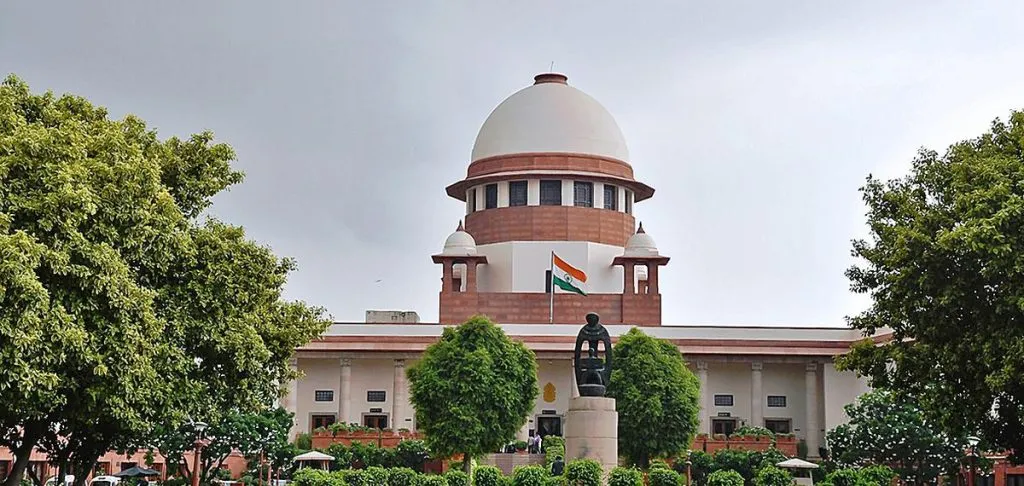
India’s apex judiciary has once again turned its attention to land acquisition disputes, emphasizing the need to strike a fair balance between infrastructure development and the protection of property rights. The Supreme Court of India recently addressed petitions challenging acquisition procedures, compensation frameworks, and due-process safeguards under the Right to Fair Compensation and Transparency in Land Acquisition, Rehabilitation and Resettlement Act, 2013. The proceedings highlight the complex interplay between economic expansion, urban planning, and citizen rights. Legal experts say the court’s observations could influence future government projects while reinforcing the importance of transparency, equitable compensation, and procedural fairness in land procurement.
Judicial Scrutiny of Land Acquisition Policies
The Supreme Court of India has recently examined several petitions concerning the legality and procedural integrity of land acquisition by public authorities. The cases involve disputes over whether due process was followed and whether affected landowners received adequate compensation.
Legal observers note that the judiciary’s scrutiny reflects broader concerns over how land is obtained for highways, industrial corridors, and urban expansion projects. At the center of the debate is the Right to Fair Compensation and Transparency in Land Acquisition, Rehabilitation and Resettlement Act, 2013, legislation designed to ensure that development projects do not come at the expense of citizens’ constitutional rights.
The court’s remarks suggest that authorities must strictly adhere to statutory requirements when acquiring private property.
Compensation and Rehabilitation at the Core
One of the most significant aspects of the legal debate revolves around compensation and rehabilitation provisions. Under the current legal framework, landowners are entitled to compensation calculated based on market value and, in many cases, enhanced multipliers depending on whether the land lies in urban or rural areas.
In addition to financial compensation, the law mandates rehabilitation and resettlement measures for families displaced by development projects. These provisions aim to reduce the socio-economic impact of large-scale land acquisition initiatives.
Judicial intervention in such cases often focuses on ensuring that these protections are not bypassed or diluted during the acquisition process.
Development Imperatives Versus Property Rights
Land acquisition has long been a sensitive policy issue in India, where rapid economic growth requires substantial infrastructure expansion. Projects such as expressways, industrial zones, renewable energy parks, and urban housing initiatives depend on the availability of land.
However, property rights remain a fundamental concern for millions of landowners. Courts frequently emphasize that development goals must not override the legal protections granted to individuals.
The Supreme Court of India has repeatedly underscored that transparency, public consultation, and fair compensation are critical to maintaining public trust in the acquisition process.
Implications for Infrastructure and Investment
Legal analysts believe the court’s stance could shape how government agencies and private developers approach future infrastructure projects. Strict adherence to legal procedures may initially slow project timelines but is likely to enhance credibility and reduce prolonged litigation.
From an economic perspective, clarity in land acquisition policies is essential for investors and infrastructure developers. Predictable legal frameworks help reduce project risk and encourage long-term capital allocation in sectors such as logistics, manufacturing, and renewable energy.
Thus, the judiciary’s involvement may ultimately contribute to a more stable investment environment.
The Road Ahead for Land Governance
The ongoing legal debate highlights the broader challenge of balancing economic development with social equity. As India continues to expand its infrastructure footprint, land acquisition will remain a pivotal policy issue.
Experts suggest that clearer guidelines, improved transparency in valuation processes, and stronger rehabilitation frameworks could reduce disputes in the future.
For policymakers, the message from the Supreme Court of India is clear: sustainable development requires not only ambitious projects but also a legal framework that protects the rights and livelihoods of citizens.
Comments