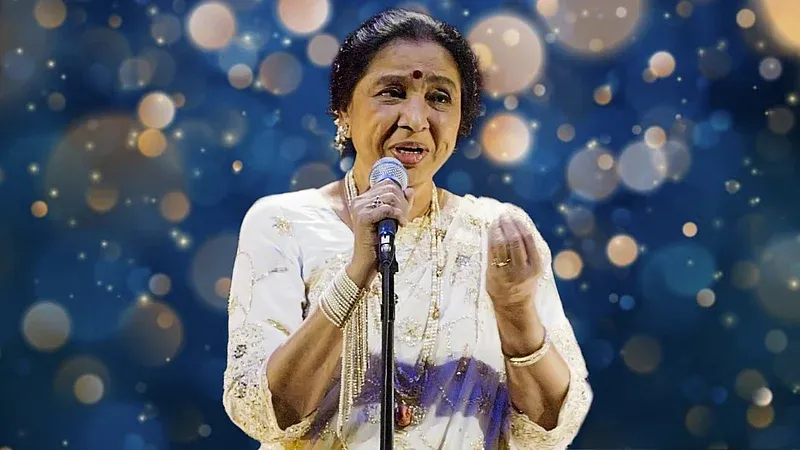
The passing of Asha Bhosle in Mumbai signals the end of a remarkable chapter in India’s artistic and cultural legacy. Widely regarded as one of the most versatile and influential voices in global music, her career spanned decades, industries, and genres. Beyond her artistic brilliance, Bhosle represented the evolution of India’s entertainment economy, contributing significantly to the commercial expansion of film music. Her death not only leaves a profound emotional void but also prompts reflection on the enduring economic and cultural value of India’s music industry.
A Cultural Icon Passes Away
India bid farewell to one of its most celebrated musical legends as Asha Bhosle passed away in Mumbai. Her demise marks a significant loss not just to the film and music industries, but to the broader cultural fabric of the nation.
Over a career that extended across more than six decades, Bhosle lent her voice to thousands of songs in multiple languages, shaping the soundscape of Indian cinema. Her ability to adapt across genres—from classical and ghazals to pop and cabaret—cemented her status as a once-in-a-generation talent.
A Career That Defined an Industry
Asha Bhosle’s journey was emblematic of the transformation of India’s music economy. At a time when playback singing was emerging as a commercial cornerstone of the film business, she became one of its most bankable voices.
Her collaborations with leading composers and filmmakers contributed to blockbuster soundtracks, which in turn drove box office revenues. In an industry where music rights often account for a substantial portion of a film’s financial ecosystem, her contributions were not merely artistic—they were economically consequential.
Her work helped elevate Indian film music into a globally recognized brand, generating revenue streams across live performances, royalties, and international licensing.
The Business of Music and Legacy Value
From a financial perspective, Asha Bhosle’s legacy extends into the monetization frameworks that underpin today’s music industry. The rise of digital streaming platforms has renewed interest in classic catalogs, many of which feature her iconic recordings.
Music labels continue to derive recurring revenue from her extensive discography, illustrating the long-tail value of cultural assets. Her songs remain commercially viable, attracting new audiences while sustaining legacy earnings through licensing, remasters, and global distribution.
This enduring demand underscores how artistic excellence can translate into sustained economic value over time.
Influence Beyond Playback Singing
Bhosle was not only a playback singer but also a cultural ambassador who represented Indian music on global stages. Her international collaborations and performances contributed to the soft power of India’s creative industries.
In addition, her entrepreneurial ventures—including restaurants and brand associations—demonstrated a keen understanding of personal brand monetization long before it became a norm among celebrities.
Her ability to diversify her professional portfolio reflects a broader trend in the entertainment sector, where artists increasingly function as multi-dimensional business entities.
A Loss Felt Across Generations
The emotional resonance of Asha Bhosle’s passing is matched by the scale of her influence. Generations of listeners grew up with her voice, while aspiring artists viewed her as a benchmark of excellence.
Tributes from across industries highlight not only her musical genius but also her resilience and adaptability—qualities that enabled her to remain relevant in an ever-evolving market.
Conclusion
The passing of Asha Bhosle represents more than the loss of a legendary singer; it marks the conclusion of an era that shaped India’s cultural and economic narrative. As the music industry continues to evolve, her legacy will endure as both an artistic benchmark and a case study in long-term value creation. In remembering her, India not only mourns a voice but celebrates a phenomenon that transcended generations and redefined the business of music.
Comments