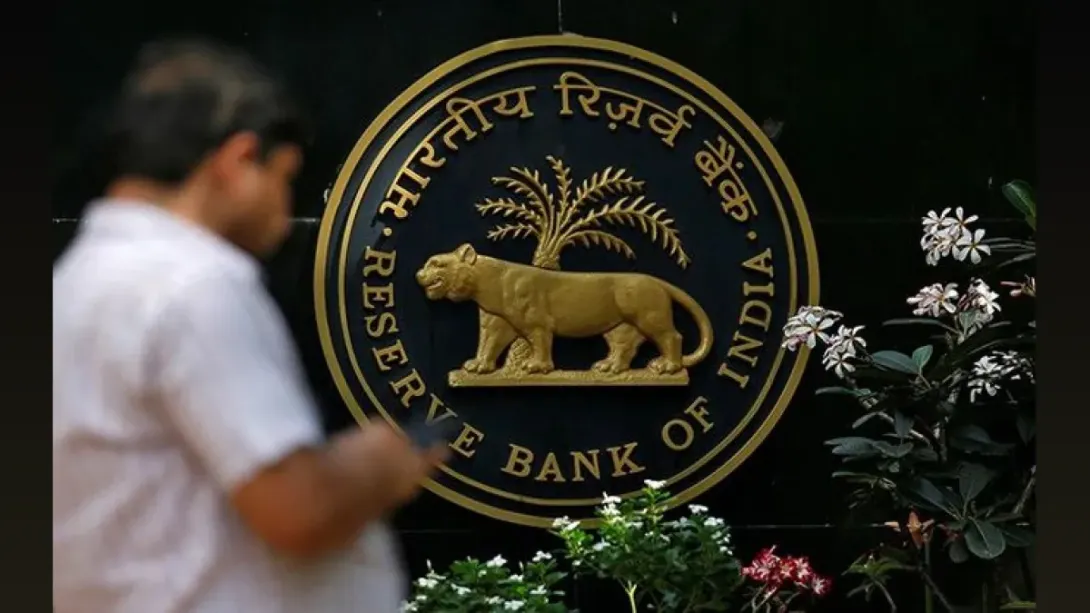
India’s central banking leadership has reviewed the country’s economic outlook amid rising geopolitical tensions in West Asia. During a recent meeting, the board of the Reserve Bank of India (RBI) assessed global economic risks and their potential implications for domestic growth, inflation, and financial stability. The review comes at a time when energy markets and international trade flows remain sensitive to developments in the region. Economists note that geopolitical instability can influence commodity prices, currency movements, and investor sentiment. The central bank’s assessment highlights the importance of proactive policy monitoring in navigating global uncertainties.
Central Bank Evaluates Global Economic Risks
The board of the Reserve Bank of India recently convened to examine the evolving global economic environment, particularly the potential impact of geopolitical tensions in West Asia.
Central banks worldwide closely monitor international developments because geopolitical conflicts can disrupt trade routes, influence commodity prices, and alter investor confidence. For India, which imports a substantial portion of its energy requirements, developments in the region carry significant economic implications.
The meeting focused on evaluating risks that could influence inflation, financial markets, and overall economic growth in the coming months.
Energy Prices and Inflation Concerns
One of the primary concerns associated with geopolitical instability in West Asia is its potential impact on energy markets. The region is a major global supplier of crude oil, and any disruption in supply chains can lead to price volatility.
Higher energy prices can translate into increased transportation costs, higher manufacturing expenses, and broader inflationary pressures across the economy.
The Reserve Bank of India regularly assesses such developments as part of its mandate to maintain price stability and ensure the smooth functioning of financial markets.
Financial Markets and Currency Stability
Geopolitical uncertainty often affects global financial markets, influencing capital flows and currency movements. Investors may adopt cautious strategies during periods of instability, shifting capital toward perceived safe-haven assets.
For emerging markets such as India, these shifts can occasionally lead to fluctuations in equity markets and exchange rates. Policymakers at the Reserve Bank of India therefore closely track global financial conditions to safeguard the resilience of India’s financial system.
Maintaining adequate foreign exchange reserves and monitoring liquidity levels remain key tools in managing potential volatility.
India’s Economic Fundamentals Remain Strong
Despite global uncertainties, India’s economic fundamentals continue to show resilience. Strong domestic consumption, infrastructure investment, and steady industrial activity have supported economic growth in recent years.
The review conducted by the board of the Reserve Bank of India emphasized the importance of maintaining macroeconomic stability while responding to emerging global challenges.
Economists note that proactive monitoring allows policymakers to respond swiftly if external developments begin to influence domestic economic indicators.
Policy Coordination and Strategic Monitoring
Central banks often collaborate with government institutions and financial regulators to ensure coordinated responses during periods of global uncertainty.
By continuously analyzing geopolitical developments and economic data, the Reserve Bank of India seeks to maintain stability in financial markets and support sustainable economic growth.
Such monitoring also helps policymakers evaluate whether adjustments in monetary policy, liquidity management, or regulatory frameworks may be required.
Outlook: Vigilance Amid Global Uncertainty
The review by the board of the Reserve Bank of India underscores the importance of vigilance in an interconnected global economy. Developments in distant regions can quickly influence domestic markets through energy prices, trade flows, and investor sentiment.
While India’s economic outlook remains broadly positive, policymakers are likely to continue closely observing geopolitical developments and global financial conditions.
In an environment shaped by rapid economic and political shifts, proactive oversight by institutions such as the RBI plays a critical role in safeguarding financial stability and sustaining economic confidence.
Comments